Creamy Chicken Carbonara Recipe
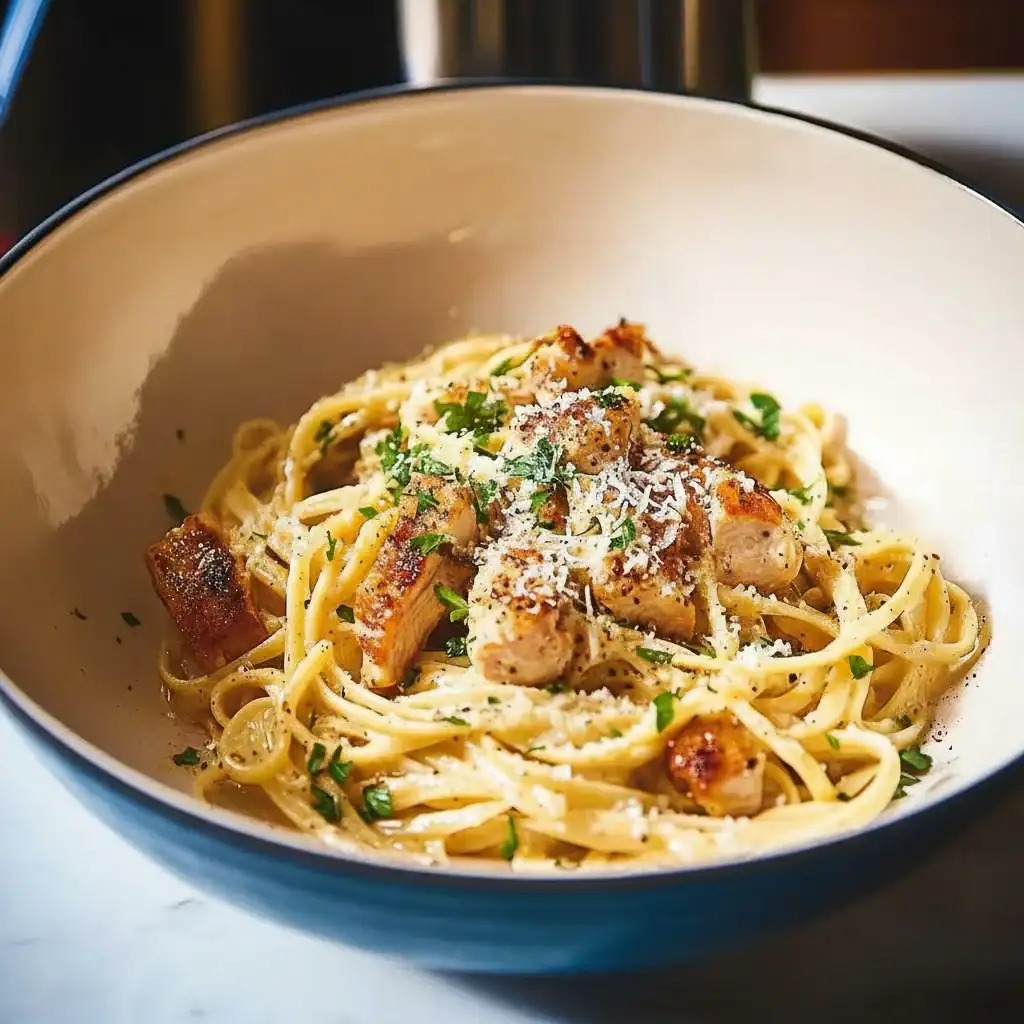
There are some dishes that just wrap you up in a hug, and for me, a rich, satisfying pasta is at the top of that list. We’re not talking about just any pasta, though. We’re talking about a truly magnificent Chicken Carbonara. This recipe was inspired by a dish I had at a little trattoria tucked away on a side street in Rome, where the sauce was so silky and flavourful it completely changed my perspective on what carbonara could be. It’s a departure from the strict tradition, of course, with the addition of tender chicken, but it transforms the dish into a complete, hearty meal that feels both rustic and wonderfully refined.
What makes this particular Chicken Carbonara so special is how it achieves its incredible creaminess without a single drop of cream. The magic lies in a glossy, rich sauce made from egg yolks, finely grated Pecorino Romano cheese, a healthy dose of black pepper, and that all-important starchy pasta water. When combined with crisp, salty pancetta and succulent pieces of pan-fried chicken, it becomes a truly memorable meal. It’s the kind of dinner that works beautifully for a quiet evening in, but is also impressive enough to serve when you have friends over. Everyone always asks for the recipe.
Recipe Overview
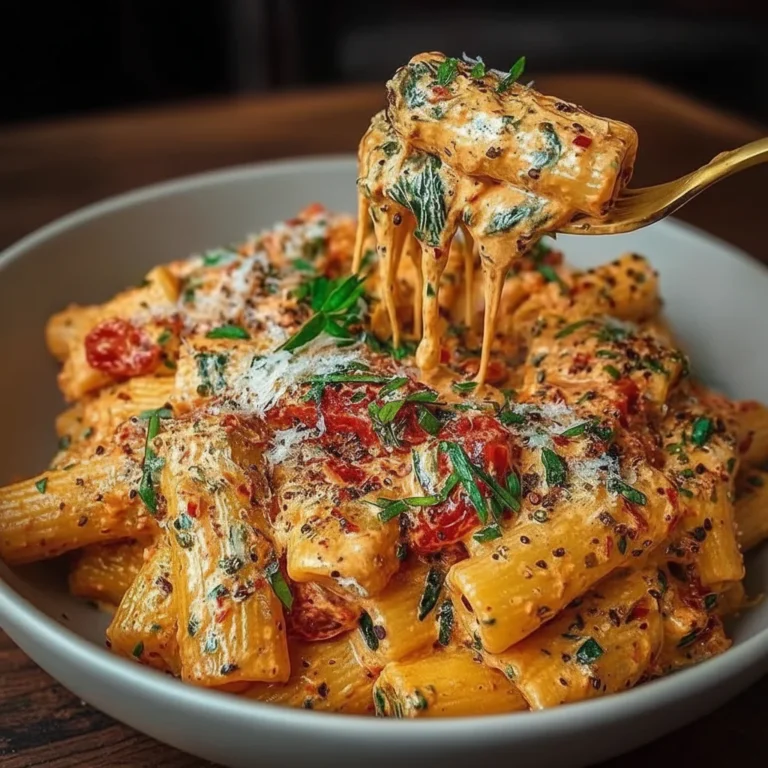
This Chicken Carbonara recipe delivers a deeply savoury and satisfying pasta dish. The sauce is the star – a velvety emulsion of egg yolk, sharp cheese, and starchy pasta water that clings beautifully to every strand of spaghetti. The chicken is seasoned and seared to remain juicy, while the pancetta provides a wonderful salty crunch. I’ve been making this for over 2 years, and it never disappoints; the key is all in the timing and temperature control to get that perfect, unscrambled sauce.
- Prep Time: 15 minutes
- Cook Time: 20 minutes
- Total Time: 35 minutes
- Servings: 4 people
- Difficulty: Medium
Why You’ll Love This Chicken Carbonara
- Genuine Flavour: We build an authentic-style carbonara sauce that’s rich from the egg yolks and has a salty, sharp bite from the Pecorino cheese. The black pepper provides a gentle, aromatic heat that cuts through the richness perfectly.
- Ready in Under 40 Minutes: From start to finish, this entire meal comes together in about 35 minutes, making it an excellent choice for a weeknight dinner that feels a bit special.
- Flexible Recipe: You can easily add a handful of spinach at the end for some greens, or throw in some sautéed mushrooms with the chicken for an earthier flavour. It also works well with different pasta shapes like rigatoni or linguine.
- Great for a Casual Dinner Party: This dish always gets compliments. It has an air of Italian restaurant quality that makes it ideal when you want to impress guests without spending hours in the kitchen.
- Family Tested: My kids, who can be fussy eaters, absolutely love this pasta. They always go back for a second helping, which is the highest praise in our house!
Ingredients You’ll Need
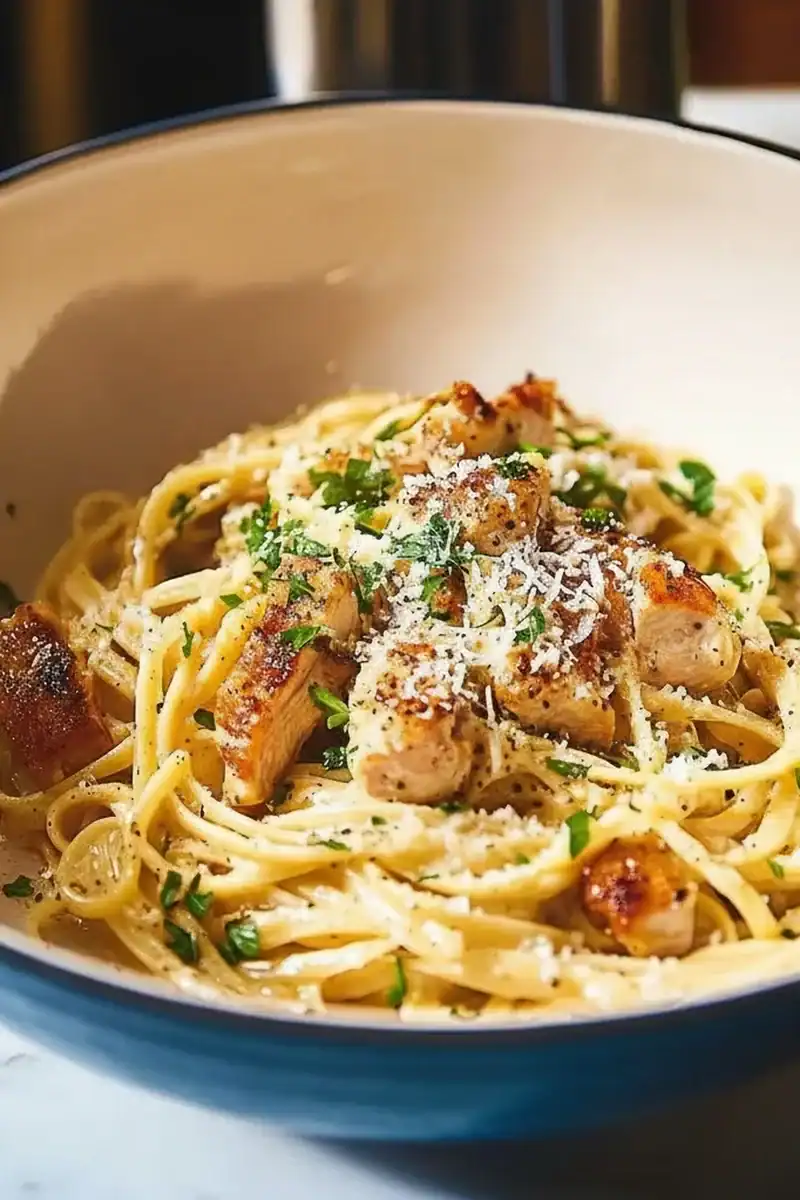
For the best results, use high-quality ingredients. The flavour of the cheese and pancetta really shines through. I always recommend using a good bronze-die pasta like De Cecco; the rougher texture helps that gorgeous carbonara sauce cling to every single strand.
- 400g spaghetti or linguine
- 2 large skinless, boneless chicken breasts (about 450g), cut into 2-3cm pieces
- 150g pancetta or guanciale, diced
- 4 large free-range egg yolks
- 1 large whole free-range egg
- 80g Pecorino Romano cheese, finely grated (plus extra for serving)
- 2 cloves garlic, lightly crushed
- 1 tbsp olive oil
- 1 tsp coarse black pepper, freshly ground
- Salt to taste
My Tip: Using room temperature eggs is crucial. They emulsify into the sauce much more smoothly and are far less likely to scramble when they meet the heat of the pasta.
How to Make Chicken Carbonara
The process is straightforward, but success depends on moving with purpose once the pasta is cooked. Have your sauce ingredients ready to go before you start combining everything. It’s a little dance of timing and temperature.
- Prepare the Sauce Base: In a medium mixing bowl, whisk together the 4 egg yolks, 1 whole egg, the grated Pecorino Romano, and the freshly ground black pepper. Whisk until it’s smooth and pale yellow. Set this aside.
- Cook the Pancetta: Place the diced pancetta in a large, cold frying pan or skillet. Turn the heat to medium and cook gently for 6-8 minutes, allowing the fat to render out slowly. Once the pancetta is crisp and golden, remove it with a slotted spoon and set it on a plate, leaving the rendered fat in the pan.
- Cook the Chicken: Add the olive oil to the fat in the pan. Season the chicken pieces with a pinch of salt and pepper. Increase the heat to medium-high and add the chicken to the pan in a single layer. Cook for 5-7 minutes, turning occasionally, until golden brown and cooked through. Add the crushed garlic cloves for the last minute of cooking to infuse the oil, then discard them. Return the cooked pancetta to the pan and reduce the heat to low to keep warm.
- Boil the Pasta: While the chicken cooks, bring a large pot of heavily salted water to a rolling boil. Add the spaghetti and cook according to package directions until al dente (usually around 8-10 minutes). Just before draining, scoop out and reserve about 250ml (a mugful) of the starchy pasta water.
- Temper the Egg Mixture: This is the most important step. Take the pan with the chicken and pancetta completely off the heat. Slowly whisk about 60ml (a quarter of a cup) of the hot pasta water into your egg and cheese mixture. What works best for me is adding it a tablespoon at a time while whisking constantly. This gently raises the temperature of the eggs without cooking them.
- Combine Everything: Drain the pasta and immediately add it to the pan with the chicken and pancetta (still off the heat). Pour over the tempered egg mixture. Use tongs to toss everything together vigorously and continuously for 1-2 minutes. The residual heat from the pasta will cook the eggs and melt the cheese, creating a glossy, creamy sauce.
- Adjust and Serve: If the sauce seems too thick, add another splash of the reserved pasta water, a little at a time, until it reaches your desired consistency. The final sauce should coat the pasta beautifully, not be watery or clumpy. Serve immediately in warm bowls, topped with a generous sprinkle of extra Pecorino Romano and another grind of black pepper.
Tips From My Kitchen
- Temperature Control is Everything: The number one rule of carbonara is to avoid scrambling the eggs. Always take the pan off the heat before you add the pasta and the egg mixture. The residual heat is more than enough to cook the sauce to a safe and silky-smooth consistency.
- The Secret Step: I learned that vigorously whisking a little hot pasta water into the eggs *before* adding the mix to the pasta is the key. This technique, known as tempering, gently prepares the eggs for the heat and is your best insurance against a grainy, scrambled sauce. For a deeper dive, Serious Eats has a great explanation of the science behind it.
- Make-Ahead Prep: You can’t make the full dish ahead of time, as the sauce needs to be made fresh. However, you can chop the chicken, dice the pancetta, and grate the cheese in advance to speed things up. Store them in separate airtight containers in the fridge.
- Storage: Leftover Chicken Carbonara can be stored in an airtight container in the refrigerator for up to 2 days. To reheat, place it in a pan over low heat with a tablespoon of water or milk to help loosen the sauce as it warms through. Avoid the microwave, as it can make the sauce split.
Equipment You’ll Need
- Large frying pan or skillet
- Large pot for boiling pasta
- Sharp knife and cutting board
- Medium mixing bowl
- Whisk and tongs
- Cheese grater
Common Mistakes to Avoid
- Overcrowding the pan: When cooking the chicken, make sure it’s in a single layer with a bit of space around each piece. If the pan is too crowded, the chicken will steam instead of searing, and you won’t get those delicious golden-brown edges. Cook in two batches if necessary.
- Wrong Temperature for the Sauce: This is the big one. If your pan is too hot when you add the eggs, you’ll get scrambled egg pasta. Too cold, and the sauce will be thin and raw. Removing the pan from the direct heat source gives you the perfect gentle, residual heat.
- Forgetting the Pasta Water: Don’t throw away that cloudy pasta water! It’s full of starch and salt, which helps the sauce emulsify and cling to the pasta. It’s the “liquid gold” that transforms the ingredients into a cohesive, creamy sauce.
Delicious Variations to Try
Once you’ve mastered the base recipe, it’s fun to experiment. This dish is wonderfully adaptable.
- Spicy Version: Add 1/2 teaspoon of red chilli flakes to the pan along with the garlic for a gentle, warming heat that cuts through the richness.
- Add Some Veg: Sauté 200g of sliced chestnut mushrooms and add them with the chicken. You can also wilt a large handful of fresh spinach into the pan just before adding the pasta.
- Different Protein: While this is a Chicken Carbonara, the method works with other proteins. Try it with cooked king prawns, added at the very end, or even some leftover shredded ham.
What to Serve With Chicken Carbonara
This is a rich and complete meal on its own, so the best accompaniments are light and fresh to provide a bit of contrast.
- A Crisp Green Salad: A simple salad with a zesty lemon or red wine vinaigrette is the perfect partner. Our Classic House Salad with Red Wine Vinaigrette works wonderfully here.
- Garlic Bread: A few slices of crusty garlic bread are fantastic for mopping up any leftover sauce at the bottom of the bowl.
- Wine Pairing: A crisp, dry Italian white wine like a Pinot Grigio or a Soave is a classic choice. Its acidity cuts through the richness of the egg and cheese sauce beautifully.
Frequently Asked Questions
Chicken Carbonara
Ingredients
Method
- Prepare the Sauce Base: In a medium mixing bowl, whisk together the 4 egg yolks, 1 whole egg, the grated Pecorino Romano, and the freshly ground black pepper. Whisk until it's smooth and pale yellow. Set this aside.
- Cook the Pancetta: Place the diced pancetta in a large, cold frying pan or skillet. Turn the heat to medium and cook gently for 6-8 minutes, allowing the fat to render out slowly. Once the pancetta is crisp and golden, remove it with a slotted spoon and set it on a plate, leaving the rendered fat in the pan.
- Cook the Chicken: Add the olive oil to the fat in the pan. Season the chicken pieces with a pinch of salt and pepper. Increase the heat to medium-high and add the chicken to the pan in a single layer. Cook for 5-7 minutes, turning occasionally, until golden brown and cooked through. Add the crushed garlic cloves for the last minute of cooking to infuse the oil, then discard them. Return the cooked pancetta to the pan and reduce the heat to low to keep warm.
- Boil the Pasta: While the chicken cooks, bring a large pot of heavily salted water to a rolling boil. Add the spaghetti and cook according to package directions until al dente (usually around 8-10 minutes). Just before draining, scoop out and reserve about 250ml (a mugful) of the starchy pasta water.
- Temper the Egg Mixture: This is the most important step. Take the pan with the chicken and pancetta completely off the heat. Slowly whisk about 60ml (a quarter of a cup) of the hot pasta water into your egg and cheese mixture. What works best for me is adding it a tablespoon at a time while whisking constantly. This gently raises the temperature of the eggs without cooking them.
- Combine Everything: Drain the pasta and immediately add it to the pan with the chicken and pancetta (still off the heat). Pour over the tempered egg mixture. Use tongs to toss everything together vigorously and continuously for 1-2 minutes. The residual heat from the pasta will cook the eggs and melt the cheese, creating a glossy, creamy sauce.
- Adjust and Serve: If the sauce seems too thick, add another splash of the reserved pasta water, a little at a time, until it reaches your desired consistency. The final sauce should coat the pasta beautifully, not be watery or clumpy. Serve immediately in warm bowls, topped with a generous sprinkle of extra Pecorino Romano and another grind of black pepper.
Notes
I really hope you give this Chicken Carbonara recipe a try. It’s a dish we come back to again and again in my home, and mastering that silky, creamy pasta sauce is one of the most rewarding kitchen skills you can learn. Let me know how you get on in the comments below – I’d love to hear about it!
– Adam Henderson