Scrambled Eggs With Cottage Cheese Recipe
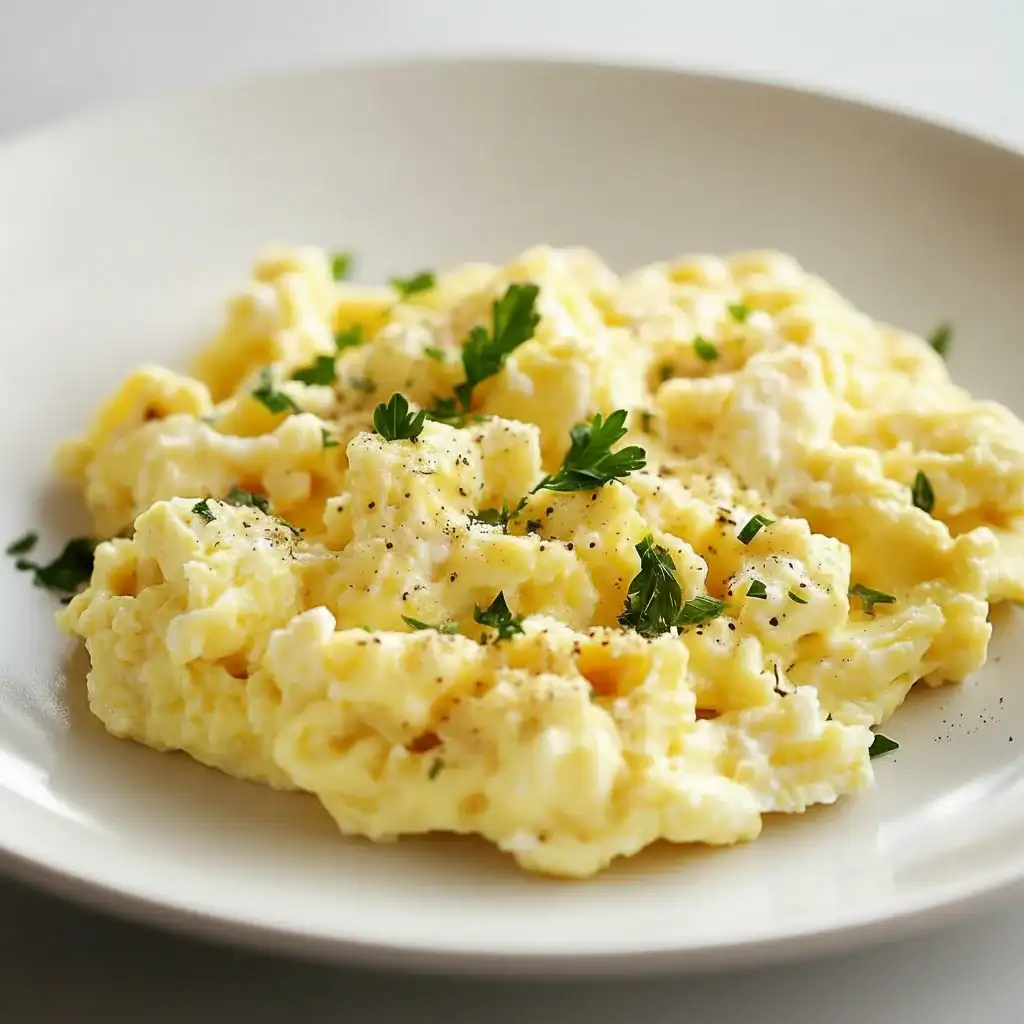
There are some meals we return to again and again, and for many of us, scrambled eggs sit firmly at the top of that list. But even the most beloved staple can benefit from a little reinvention. That’s precisely what we’re doing today with this Scrambled Eggs with Cottage Cheese Recipe. It’s a simple addition that transforms the texture and nutritional profile, turning a good breakfast into a truly great one. The cottage cheese melts into soft, creamy pockets, adding a subtle tang and an incredible protein boost without making the eggs heavy.
This isn’t just about adding an ingredient for the sake of it; it’s about creating a more satisfying, texturally interesting, and nourishing dish. My husband, who’s usually picky about his scrambled eggs, asked for seconds the first time I made these! That was all the confirmation I needed. The result is a plate of unbelievably fluffy eggs with a richness that feels indulgent, yet it remains a wonderfully healthy breakfast choice. It’s the kind of meal that works beautifully for a slow weekend morning, but is also straightforward enough for a weekday when you need something substantial to power you through the day.
Whether you’re looking for a high protein breakfast to support your fitness goals, a delicious keto breakfast option, or simply a way to make your morning eggs more exciting, this recipe is for you. We’re going to walk through the process step-by-step, ensuring you get those perfect, soft curds every single time. Forget dry, rubbery eggs; we’re aiming for pure, creamy perfection.
Recipe Overview
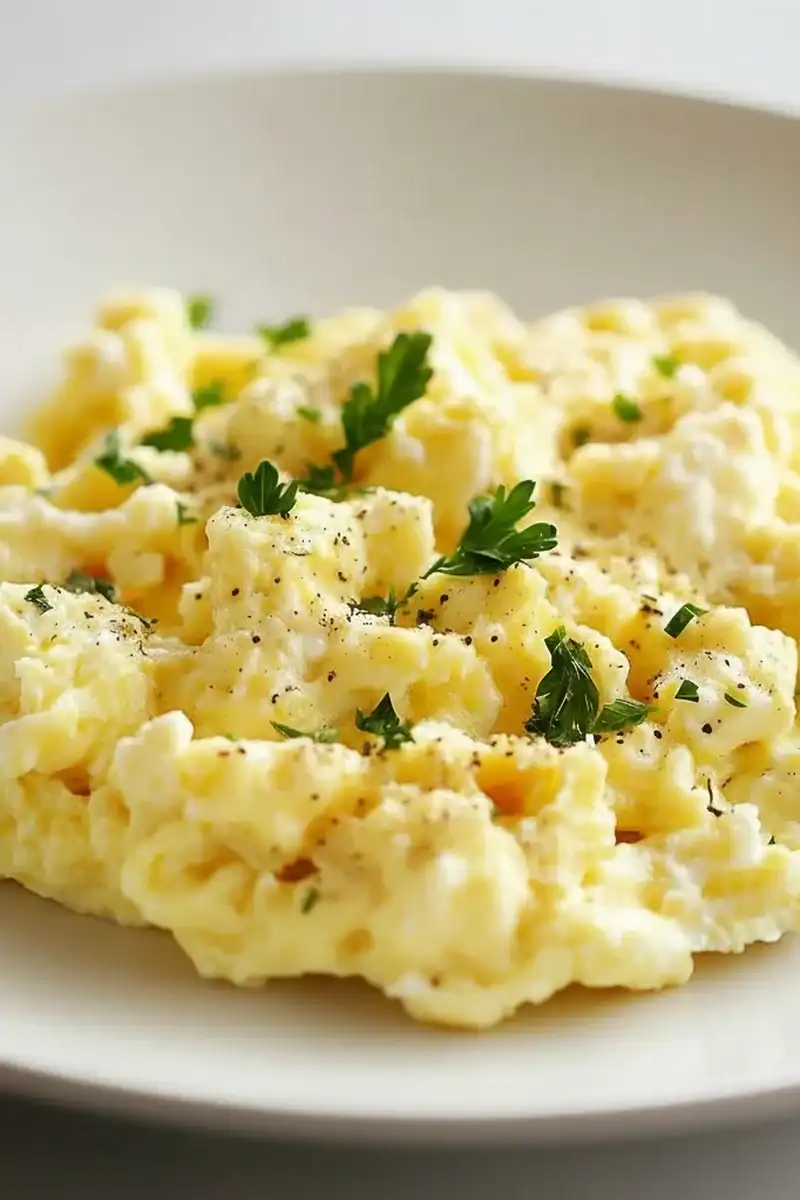
This recipe creates exceptionally soft, fluffy eggs with a wonderful creamy texture. The full-fat cottage cheese is folded in at the very end, allowing it to warm through and create luscious little pockets of flavour without releasing too much water. After a few attempts, I found that this final step is the secret to getting the consistency just right. The flavour is rich and savoury, with the mild tang of the cottage cheese beautifully complementing the buttery eggs and fresh chives.
- Prep Time: 5 minutes
- Cook Time: 5 minutes
- Total Time: 10 minutes
- Servings: 2 people
- Difficulty: Easy
Why You’ll Love This Scrambled Eggs With Cottage Cheese Recipe
- Exceptionally Fluffy & Creamy: We’re not just mixing cheese into eggs. By folding the cottage cheese in off the heat, it gently melts, creating distinct pockets of creaminess. This technique ensures you get genuinely fluffy eggs rather than a dense, uniform mixture.
- Ready in Under 10 Minutes: From cracking the eggs to sliding them onto the plate, this entire dish comes together in about 10 minutes, making it a brilliant option for busy mornings.
- A Serious Protein Boost: This is a fantastic high protein breakfast. The combination of eggs and cottage cheese provides a substantial amount of protein to keep you feeling full and satisfied for hours.
- Works for Many Diets: With its low carbohydrate and high protein content, this recipe is an ideal keto breakfast. It’s naturally gluten-free and a powerhouse of nutrients.
- Family Tested: This recipe always gets compliments in my house. It’s a simple way to add extra goodness to a breakfast classic that everyone seems to love.
Ingredients You’ll Need
The beauty of this dish lies in its simplicity, which means the quality of your ingredients really shines through. I always opt for large, free-range eggs with deep golden yolks. When it comes to the cottage cheese, I find that a full-fat version delivers the best flavour and texture. My personal favourite is Longley Farm full-fat cottage cheese; its large curds hold up beautifully in the heat.
- 4 large free-range eggs
- 60g full-fat cottage cheese
- 15g unsalted butter
- 1 tbsp double cream (or full-fat milk)
- ¼ tsp fine sea salt
- A few grinds of freshly ground black pepper
- 1 tbsp fresh chives, finely chopped
Adam’s Tip: For the creamiest texture, you must use full-fat cottage cheese. The low-fat and fat-free varieties contain more water and stabilisers, which can make your eggs a bit grainy and watery when heated.
How to Make Scrambled Eggs With Cottage Cheese Recipe
The key to perfect scrambled eggs is gentle heat and constant, slow movement. We are not aggressively scrambling here; we are coaxing the eggs into soft, pillowy curds. The process is quick, so have your plates and garnishes ready to go before you even turn on the hob.
- Prep the Eggs: In a medium mixing bowl, crack the 4 large eggs. Add the double cream, salt, and black pepper. Whisk gently with a fork for about 20-30 seconds, just until the yolks and whites are combined but still have a little definition. You don’t want a completely uniform, pale yellow liquid.
- Heat the Pan: Place a non-stick frying pan or skillet over a low-medium heat. Add the 15g of unsalted butter and allow it to melt completely, swirling it around to coat the bottom of the pan. The butter should be foaming gently, not browning.
- Start Cooking: Pour the egg mixture into the warm pan. Let it sit undisturbed for about 30 seconds, until you see the edges just beginning to set.
- Form the Curds: Using a silicone spatula or wooden spoon, gently push the cooked eggs from the edges of the pan towards the centre. Tilt the pan to allow the uncooked egg to flow into the empty space. Continue this slow pushing and folding motion for 2-3 minutes. What works best for me is maintaining a very low heat to create large, soft, custardy curds.
- Add the Cottage Cheese: When the eggs are about 80% cooked—they should still look very soft, glossy, and slightly wet—remove the pan from the heat entirely.
- Fold and Finish: Immediately add the 60g of cottage cheese to the pan. Gently fold it into the eggs once or twice. The residual heat from the eggs and the pan will warm the cheese through perfectly without overcooking it.
- Serve Immediately: Transfer the scrambled eggs to two warm plates. Garnish generously with the finely chopped fresh chives and serve right away.
Tips From My Kitchen
- Temperature Control is Everything: The absolute key to creamy, not rubbery, eggs is low and slow heat. If your pan is too hot, the proteins in the eggs will seize up and squeeze out water, resulting in tough, dry eggs. Always start with a low-medium heat and don’t be afraid to pull the pan off the hob for a moment if you think it’s getting too hot.
- The Secret Step is Resting: Removing the pan from the heat *before* the eggs look fully done is crucial. Eggs are delicate and continue to cook from residual heat. This step ensures they end up perfectly cooked on the plate, not overdone. I learned that this small detail, explained well by the experts at Serious Eats, makes all the difference.
- Prep Your Garnishes First: This dish cooks in minutes, so have your chives chopped, toast buttered, and plates ready before you begin. You want to serve the eggs the second they are ready for the best texture.
- Storage: Honestly, these eggs are best enjoyed fresh. However, if you have leftovers, they can be stored in an airtight container in the refrigerator for up to 2 days. Reheat them very gently in a non-stick pan over low heat with a tiny knob of butter. Avoid the microwave, as it can make them rubbery.
Equipment You’ll Need
- Large non-stick frying pan or skillet
- Medium mixing bowl
- Fork or small whisk
- Silicone spatula or wooden spoon
Common Mistakes to Avoid
- Cooking on High Heat: The most common mistake is using a temperature that’s too high. This will cook the eggs too quickly, resulting in a tough, rubbery texture. Stick to a low-medium heat for soft, custardy results.
- Adding the Cottage Cheese Too Early: If you add the cottage cheese while the pan is still on the heat, it can separate and release its liquid, making the final dish watery. Always add it off the heat at the very end.
- Overcooking the Eggs: Remember that eggs are still cooking even after you’ve removed them from the pan. For that perfect creamy consistency, take them off the heat when they still look slightly underdone and glossy.
Delicious Variations to Try
While this recipe is wonderful as it is, it also serves as a fantastic base for customisation. If you have a bit more time, why not try something new? It’s a great alternative to a more involved weekend brunch dish, like our Chocolate Peanut Butter Banana Bread.
- A Spicy Kick: Add ¼ teaspoon of red chilli flakes along with the salt and pepper for a gentle warmth. A few dashes of your favourite hot sauce folded in at the end also works beautifully.
- Green Goodness: A minute before the eggs are done, toss in a large handful of fresh spinach and let it wilt. You could also fold in some sautéed mushrooms, onions, or peppers for a more substantial meal.
- Herby & Fresh: Swap the chives for other soft herbs. Freshly chopped dill is particularly lovely, especially if you plan to serve the eggs with smoked salmon. Finely chopped parsley or coriander would also be delicious.
What to Serve With Scrambled Eggs With Cottage Cheese
These versatile eggs pair well with a wide variety of sides, making them great for any meal of the day.
- Classic Toast: Serve atop a slice of thick-cut, toasted sourdough bread, perhaps with a side of sliced avocado for healthy fats.
- A Full Breakfast: Accompany the eggs with grilled tomatoes, sautéed mushrooms, and a good quality sausage for a hearty, protein-packed plate.
- A Light Lunch: For a lighter meal, serve the eggs alongside a simple green salad. Our Classic House Salad with Red Wine Vinaigrette offers a perfect tangy contrast.
- Drink Pairing: A strong cup of coffee or a classic English breakfast tea is the ideal companion. For a weekend brunch, a glass of freshly squeezed orange juice is a must.
Frequently Asked Questions
Scrambled Eggs With Cottage Cheese Recipe
Ingredients
Method
- Prep the Eggs: In a medium mixing bowl, crack the 4 large eggs. Add the double cream, salt, and black pepper. Whisk gently with a fork for about 20-30 seconds, just until the yolks and whites are combined but still have a little definition. You don't want a completely uniform, pale yellow liquid.
- Heat the Pan: Place a non-stick frying pan or skillet over a low-medium heat. Add the 15g of unsalted butter and allow it to melt completely, swirling it around to coat the bottom of the pan. The butter should be foaming gently, not browning.
- Start Cooking: Pour the egg mixture into the warm pan. Let it sit undisturbed for about 30 seconds, until you see the edges just beginning to set.
- Form the Curds: Using a silicone spatula or wooden spoon, gently push the cooked eggs from the edges of the pan towards the centre. Tilt the pan to allow the uncooked egg to flow into the empty space. Continue this slow pushing and folding motion for 2-3 minutes. What works best for me is maintaining a very low heat to create large, soft, custardy curds.
- Add the Cottage Cheese: When the eggs are about 80% cooked—they should still look very soft, glossy, and slightly wet—remove the pan from the heat entirely.
- Fold and Finish: Immediately add the 60g of cottage cheese to the pan. Gently fold it into the eggs once or twice. The residual heat from the eggs and the pan will warm the cheese through perfectly without overcooking it.
- Serve Immediately: Transfer the scrambled eggs to two warm plates. Garnish generously with the finely chopped fresh chives and serve right away.
Notes
I really hope you give this Scrambled Eggs with Cottage Cheese Recipe a try. It’s such a simple way to elevate a breakfast favourite into something that feels special and is genuinely nourishing. It has become a true staple in our home, and I think it might in yours, too. If you make it, please drop a comment below and let me know what you think!
Happy cooking,
Adam