The Best Yaki Udon
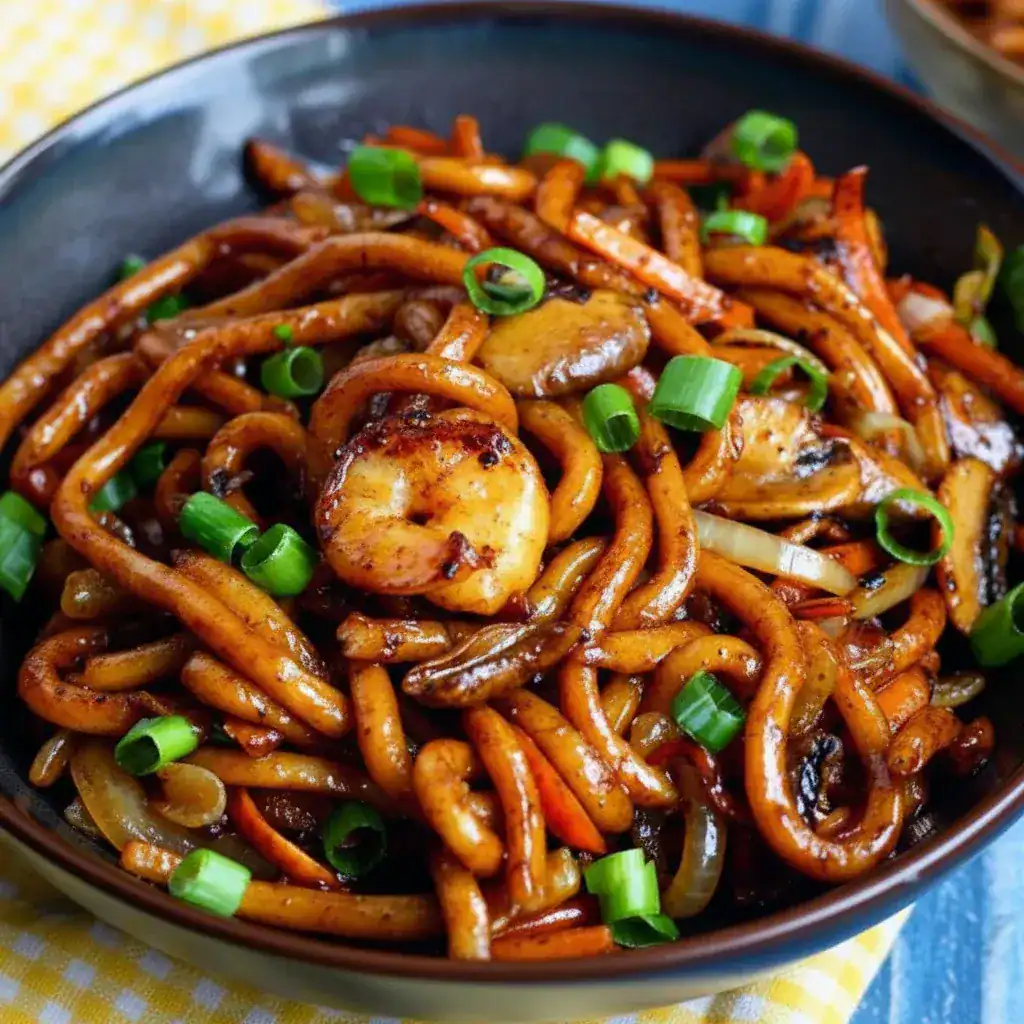
Have you ever reached that point in the evening where you crave something wonderfully satisfying, comforting, and fast? We know the feeling well. You want a meal with the appeal of a takeaway, but without the lengthy wait or the cost. What if we could show you how to create a dish worthy of a restaurant, brimming with savoury umami goodness, in under 30 minutes? You absolutely can. The solution is our guide to making the best Yaki Udon.
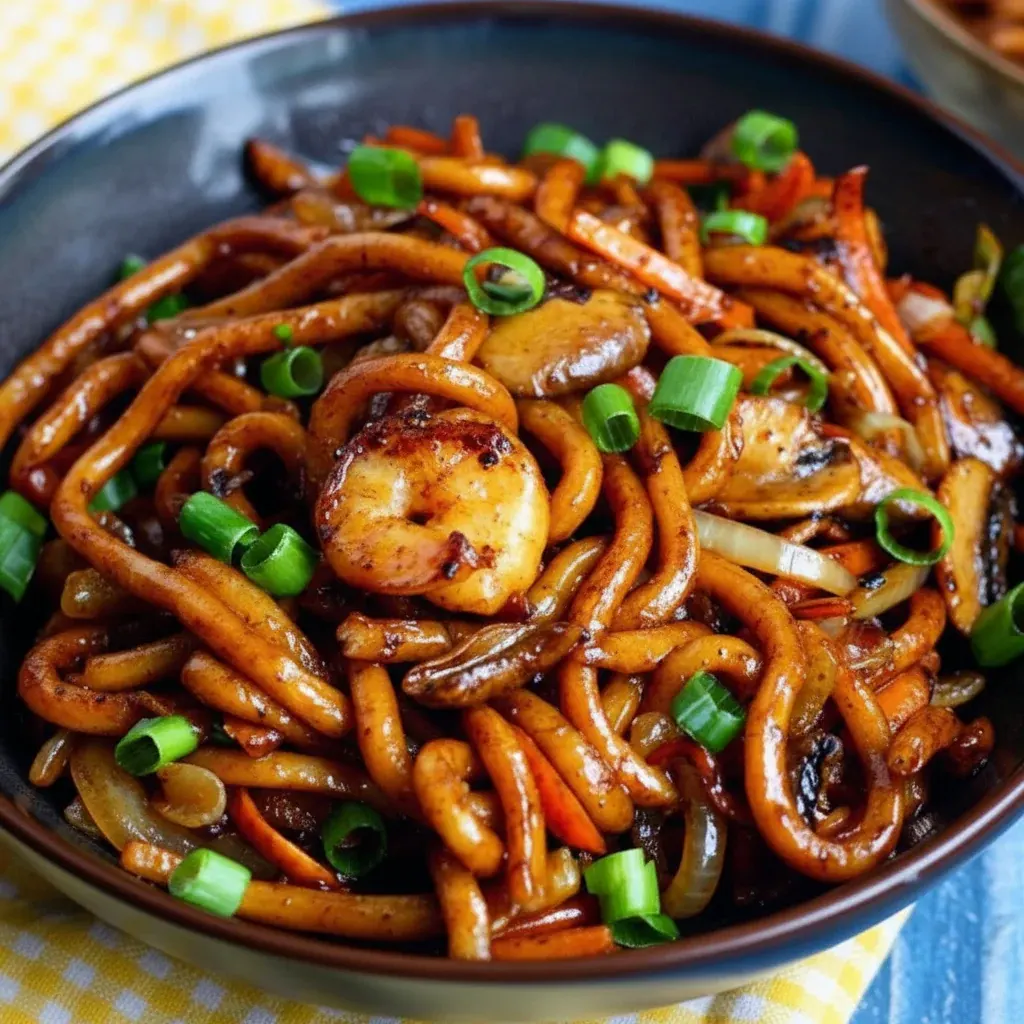
This quintessential Japanese stir-fry is a true celebration of simplicity and flavour. It brings together thick, chewy udon noodles, your preferred protein, crisp vegetables, and a glossy, utterly addictive sauce in a sizzling hot pan. It’s the kind of dish that provides a comforting warmth from the inside out, satisfying your cravings and leaving you perfectly content. It’s time to move past uninspired weeknight meals and introduce the vibrant energy of a Japanese Izakaya to your own kitchen.
What Exactly is Yaki Udon?
Yaki Udon (焼きうどん) is a cherished Japanese noodle dish, with its name translating quite literally to “fried udon.” Unlike its counterparts served in broth, this dish is all about the stir-frying process. Its origins trace back to post-WWII Kitakyushu in Fukuoka Prefecture, Japan. During a time when soba noodles were in short supply, udon was used as a substitute in stir-fries, and the delicious result quickly became a beloved classic.
The undeniable hero of this dish is the udon noodle. These are substantial, wheat-flour noodles known for their uniquely soft and delightfully chewy texture. They are brilliant at soaking up the rich, savoury sauce, which is typically a masterful blend of soy sauce, mirin (a sweet rice wine), and sometimes oyster sauce. This combination achieves a flawless harmony of sweet and salty notes. When tossed with crunchy vegetables and a protein, it becomes a complete and deeply satisfying meal in a single bowl. To learn more about the history and varieties, you can delve into this excellent guide on different Udon noodles.
Why You’ll Love This Recipe
- Incredibly Fast: From gathering your ingredients to serving, this entire meal is ready in less than 30 minutes, securing its status as the perfect weeknight champion. It’s a genuinely quick udon recipe.
- Bursting with Flavour: Our homemade sauce is a sublime symphony of savoury, sweet, and umami tastes that beautifully coats every single noodle and piece of vegetable.
- Completely Customisable: Consider this recipe a fantastic starting point. Feel free to switch the protein and vegetables to make use of whatever ingredients you have on hand.
- Healthier Than a Takeaway: When you prepare this at home, you have full control over the oil, sodium, and sugar, transforming it into a wonderfully healthy Yaki Udon recipe that the whole family will appreciate.
- One-Pan Wonder: The majority of the cooking takes place in a single wok or large skillet, which means less time spent on washing up—a benefit we can all get behind!
Ingredients
- 400g frozen or vacuum-packed udon noodles
- 1 tbsp vegetable or sesame oil
- 200g protein of your choice (thinly sliced chicken breast, prawns, or firm tofu, cubed)
- 1 small onion, thinly sliced
- 2 cloves garlic, minced
- 1 tsp fresh ginger, grated
- 1 large carrot, julienned
- 1/4 head of Napa cabbage or white cabbage, shredded
- 1 red bell pepper, thinly sliced
- 100g shiitake mushrooms, sliced
- 3 tbsp soy sauce (or tamari for gluten-free)
- 2 tbsp mirin
- 1 tbsp oyster sauce (or mushroom stir-fry sauce for vegetarian)
- 1 tsp brown sugar
- 2 spring onions, finely sliced
- 1 tsp toasted sesame seeds
- Katsuobushi (dried bonito flakes), optional
How to Make The Best Yaki Udon: Step-by-Step
The key to a flawless stir-fry is to have all your components prepared before you begin. The cooking happens very quickly, so ensure your vegetables are chopped, your sauce is mixed, and your noodles are ready. This preparation method, known as ‘mise en place’, is your greatest ally for a smooth and enjoyable cooking experience.
-
Prepare the Noodles and Sauce
To begin, cook the udon noodles as directed on the packaging. For frozen varieties, this typically involves boiling for just a minute or two until they loosen. For vacuum-sealed noodles, a brief rinse under hot water is usually sufficient. Drain them well and set them aside. In a small bowl, whisk together the sauce ingredients: soy sauce, mirin, oyster sauce, and brown sugar. Keep this nearby as well.
-
Sauté the Aromatics and Protein
Set a large wok or skillet over a high heat and add the oil. When it begins to shimmer, add the sliced onion and cook for 2–3 minutes until it starts to soften. Next, add the minced garlic and grated ginger, stir-frying for another 30 seconds until their aroma fills the air. Now, it’s time to add your chosen protein (chicken, prawns, or tofu). Stir and cook until the protein is just about cooked through.
-
Stir-fry the Vegetables
Now for the vegetables! Start with the firmer ones—the julienned carrots and sliced bell peppers—adding them to the wok. Stir-fry for 2–3 minutes until they start to become tender but still have a crisp texture. Follow with the softer vegetables, such as the cabbage and shiitake mushrooms. Continue to stir-fry for another 2–3 minutes. We’re aiming for vegetables that are cooked through but retain a pleasant crunch.
-
Combine Everything to Create Perfect Stir-fried Udon Noodles
Here comes the final, exciting step. Add the prepared udon noodles to the wok along with the protein and vegetables. Pour your pre-mixed sauce evenly over everything. Using tongs or chopsticks, gently toss all the ingredients together, making sure the noodles and vegetables are generously coated in the rich, glossy sauce. Cook for another 1–2 minutes, tossing continuously, until the sauce thickens slightly and clings beautifully to every ingredient. This is the secret to creating exceptional stir-fried udon noodles!
-
Garnish and Serve Immediately
Remove the wok from the heat. Apportion the Yaki Udon into serving bowls. Finish with a generous garnish of sliced spring onions, a sprinkle of toasted sesame seeds, and, if you fancy, a scattering of katsuobushi for an added umami dimension. Serve immediately while it’s piping hot for the best experience.
Tips for a Perfect Yaki Udon Every Time
We’re here to help you make sure your homemade Yaki Udon is absolutely spectacular. Here are some of our favourite professional tips that we’ve gathered:
- Use Frozen Udon: While any udon noodles will suffice, we find that frozen sanuki-style udon offers the most superior chewy and bouncy texture. You can typically find them in the freezer aisle of Asian grocery stores.
- Don’t Overcook the Noodles: Udon can cook in the blink of an eye. Adhere to the package instructions carefully to prevent them from becoming mushy. It’s often better to err on the side of slightly undercooking them, as they will continue to cook in the wok.
- High Heat is Key: The foundation of a brilliant stir-fry is high heat. It cooks everything rapidly, which keeps the vegetables crisp and allows the sauce to caramelise wonderfully. Ensure your wok is thoroughly heated before adding any ingredients.
- Don’t Crowd the Pan: If you are making a larger batch, we recommend cooking in two separate portions. Overfilling the pan lowers the temperature, causing the ingredients to steam rather than fry and compromising that perfect texture. For another quick and delicious Asian-inspired dish, consider our Crunchy Asian Chicken Salad with Peanut Dressing.
Variations and Customisations
One of the greatest attributes of this recipe is its adaptability. We encourage you to view it as a creative template for your own culinary experiments! On another night, for a lighter yet equally flavour-packed meal, you might enjoy this Vietnamese Inspired Spring Roll Salad with Peanut Sauce.
Make It Vegetarian or Vegan
This dish is exceptionally vegetarian friendly. Simply substitute the protein with pan-fried firm tofu, tempeh, or edamame beans. For the sauce, opt for a vegetarian mushroom-based stir-fry sauce in place of the oyster sauce. You can also load it with extra vegetables like broccoli, bok choy, or bean sprouts for a hearty and fulfilling plant-based dinner.
Switch Up the Protein
While we’ve suggested chicken, prawns, or tofu, don’t hesitate to get creative. Thinly sliced pork belly, beef strips, or even squid are all fantastic additions to this dish. Simply be mindful of adjusting the cooking time for different proteins.
Make It Spicy
For those who enjoy a bit of warmth, this recipe is very accommodating. Add a pinch of red chilli flakes along with the garlic and ginger, or mix a teaspoon of sriracha, gochujang, or your preferred chilli oil into the sauce to give it a fiery kick.
FAQ
Your New Favourite Weeknight Meal Awaits
And there you have it—a straightforward, delicious, and highly versatile recipe for making the best Yaki Udon right in your own kitchen. This dish is wonderful proof that you don’t need to spend hours cooking to produce something truly memorable. It’s a delightful interplay of textures and tastes, from the chewy noodles and crisp vegetables to the irresistible sweet-and-savoury sauce that ties it all together.
So, the next time you find yourself in need of a quick and fulfilling meal, we sincerely hope you’ll give this recipe a go. It has all the makings of a new favourite in your culinary rotation. Gather your ingredients, heat up your wok, and prepare to be utterly charmed by this incredible Japanese dish. We would be delighted to hear how you get on, so please feel free to leave a comment and rating below!
Recipe Card
Ingredients
- 400g frozen or vacuum-packed udon noodles
- 1 tbsp vegetable or sesame oil
- 200g protein of your choice (thinly sliced chicken breast, prawns, or firm tofu, cubed)
- 1 small onion, thinly sliced
- 2 cloves garlic, minced
- 1 tsp fresh ginger, grated
- 1 large carrot, julienned
- 1/4 head of Napa cabbage or white cabbage, shredded
- 1 red bell pepper, thinly sliced
- 100g shiitake mushrooms, sliced
- For the Sauce:
- 3 tbsp soy sauce (or tamari for gluten-free)
- 2 tbsp mirin
- 1 tbsp oyster sauce (or mushroom stir-fry sauce for vegetarian)
- 1 tsp brown sugar
- For Garnish:
- 2 spring onions, finely sliced
- 1 tsp toasted sesame seeds
- Katsuobushi (dried bonito flakes), optional
Instructions
- Prepare Noodles and Sauce: Cook udon noodles according to package directions. Drain well and set aside. In a small bowl, whisk together the soy sauce, mirin, oyster sauce, and brown sugar.
- Sauté Aromatics and Protein: Heat oil in a large wok or skillet over high heat. Add the onion and cook for 2-3 minutes until it starts to soften. Add the garlic and ginger, stir-frying for 30 seconds until fragrant. Add your chosen protein and cook until almost done.
- Stir-fry Vegetables: Add the carrots and bell pepper to the wok and stir-fry for 2-3 minutes. Then, add the cabbage and shiitake mushrooms and continue to stir-fry for another 2-3 minutes until the vegetables are tender-crisp.
- Combine Everything: Add the cooked udon noodles and the prepared sauce to the wok. Using tongs, toss everything together to ensure the noodles and vegetables are generously coated. Cook for 1-2 more minutes until the sauce has thickened slightly and clings to the noodles.
- Garnish and Serve: Remove the wok from the heat and portion the Yaki Udon into bowls. Garnish with sliced spring onions, toasted sesame seeds, and katsuobushi (if using). Serve immediately.