Warm Up With This Comforting Gyoza Soup Recipe
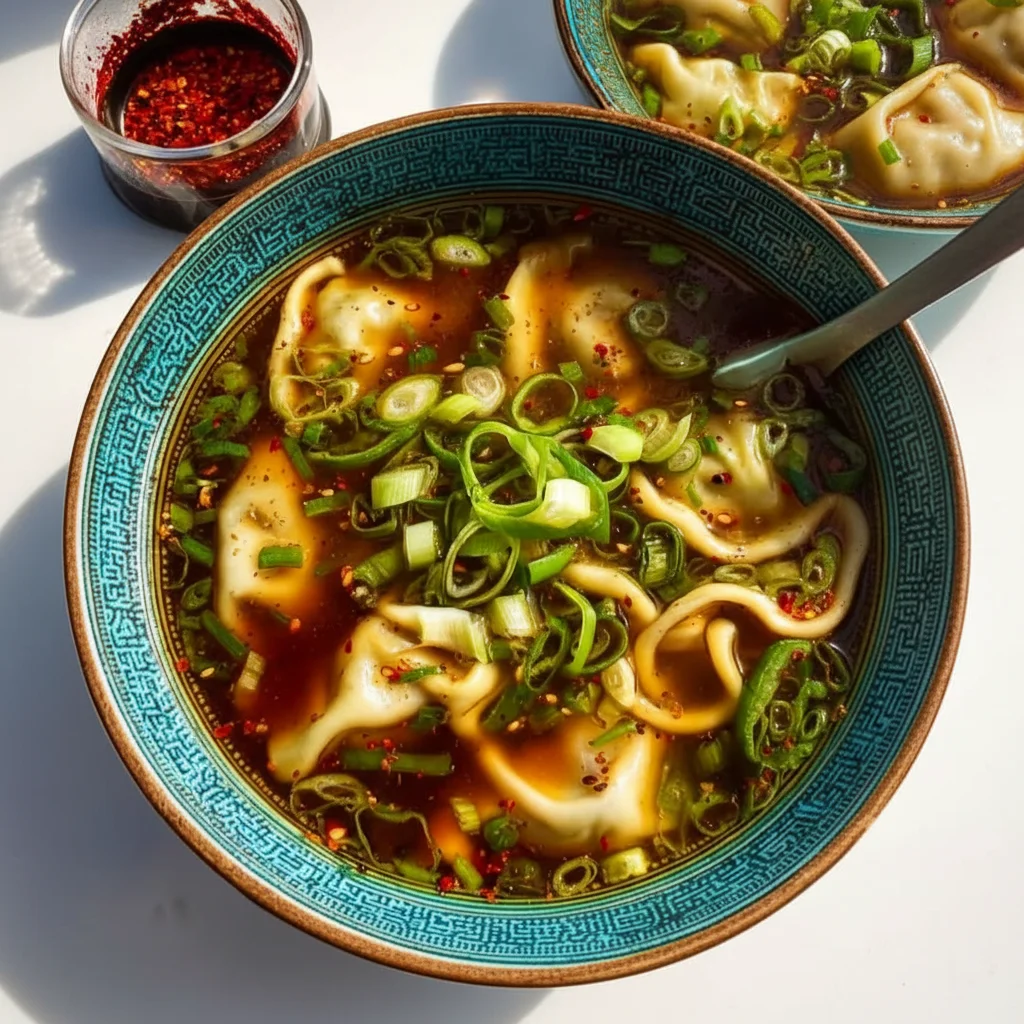
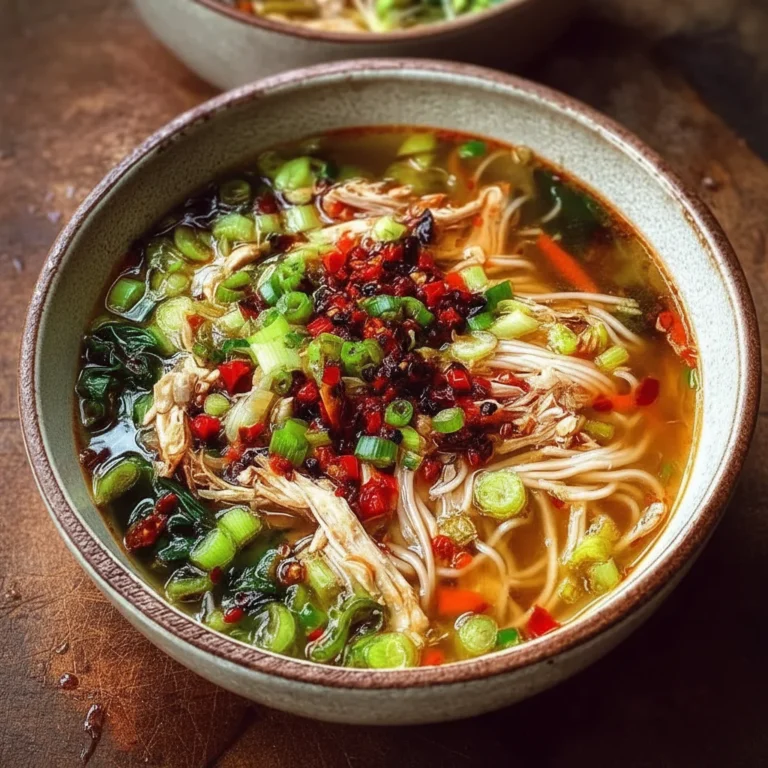
There’s something uniquely comforting about a steaming bowl of broth-y soup, especially one that doesn’t take hours to prepare. This Gyoza Soup recipe is my answer to those evenings when we all crave something deeply satisfying and nourishing, but time is of the essence. We’re talking about plump, tender dumplings floating in a fragrant, savoury broth, punctuated with fresh greens and a scattering of spring onions. It’s a complete meal in a bowl that warms you from the inside out. I make this at least once a week – it’s become a family favourite.
What I love most about this particular dumpling soup is the balance of flavours. We build a broth that is rich with ginger, garlic, and the subtle, earthy sweetness of miso, creating a perfect base for any kind of gyoza you fancy – be it pork, chicken, or vegetable. It’s a dish that works beautifully for a quick midweek dinner but is also special enough to serve when you have friends over for a casual lunch.
Recipe Overview
This Gyoza Soup recipe centres on creating a fast but flavourful Japanese-inspired broth to cook the dumplings in. The result is a light yet deeply satisfying soup where the silky gyoza are the star. After testing this recipe five times, I finally got the broth’s balance of salty, savoury, and fresh just right by ensuring the miso is added at the very end to preserve its delicate character.
- Prep Time: 10 minutes
- Cook Time: 15 minutes
- Total Time: 25 minutes
- Servings: 4 people
- Difficulty: Easy
Why You’ll Love This Gyoza Soup Recipe
- Genuine Flavour: The broth isn’t just a simple stock. It’s layered with the warmth of freshly grated ginger, the punch of garlic, the deep umami of soy sauce, and the mellow saltiness of white miso paste. It tastes like it’s been simmering for hours.
- Ready in Under 30 Minutes: From getting your ingredients out to ladling the finished soup into bowls, this entire meal comes together in about 25 minutes, making it ideal for busy evenings.
- Flexible Recipe: This recipe is a fantastic template. You can use any type of frozen gyoza you have on hand – pork, prawn, or vegetable all work wonderfully. Don’t have spinach? Use pak choi or finely sliced cabbage instead.
- Great for a Nourishing Meal: It’s a wonderful dish when you feel you need something restorative. The warm broth is soothing, and the combination of protein-filled dumplings and fresh greens makes for a well-rounded meal.
- Family Tested: My whole family enjoys this one. The kids love finding the “hidden treasure” dumplings in their bowls, and it’s a dish that always gets compliments when we serve it to guests.
Ingredients You’ll Need
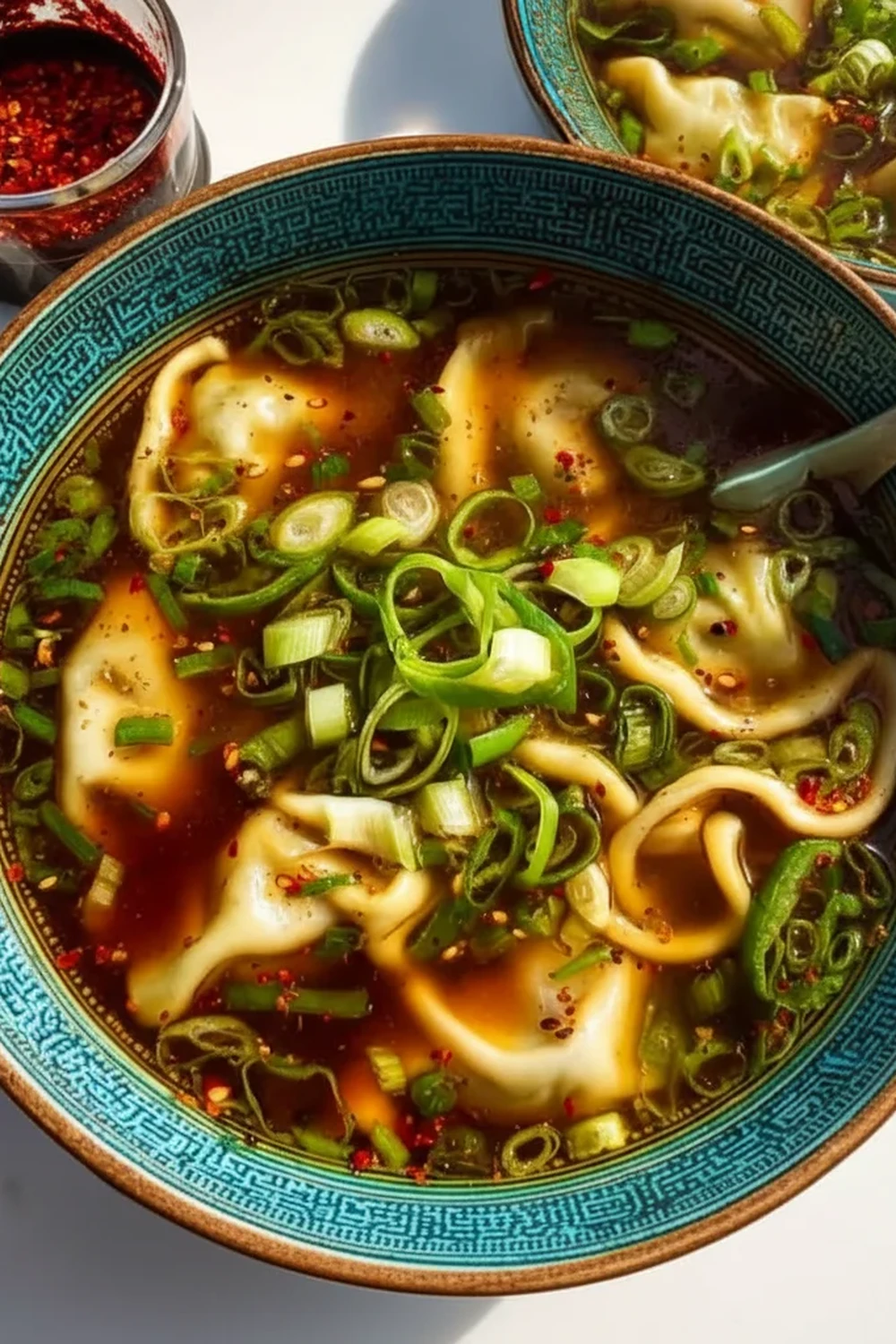
For this recipe, using good quality frozen gyoza is the key to getting it on the table quickly. I often use the Itsu or Ajinomoto brands, as I find their fillings are always well-seasoned. The other critical component is the miso paste; a white miso (Shiro Miso) is best here as it provides a gentler, slightly sweet flavour that doesn’t overpower the other ingredients.
- For the Broth:
- 1 tbsp sesame oil
- 2 cloves garlic, minced
- 2 cm piece of fresh ginger, finely grated
- 1.5 litres good quality chicken or vegetable stock
- 60ml low-sodium soy sauce
- 1 tbsp mirin
- 2 tbsp white miso paste
- 1 tbsp toasted sesame oil
- For the Soup & Toppings:
- 400g frozen gyoza (pork, chicken, or vegetable)
- 150g baby spinach
- 4 spring onions, thinly sliced
- 1 red chilli, thinly sliced (optional)
- 1 tsp toasted sesame seeds
Adam’s Tip: Don’t skip the fresh ginger and garlic! While you can get them in jars, using fresh aromatics provides a much brighter and more vibrant flavour to the broth that really makes the dish shine.
How to Make This Gyoza Soup Recipe
The process for this soup is straightforward. We start by building the aromatic base for our broth, then we let it simmer to allow the flavours to meld before adding the gyoza and fresh greens right at the end.
- First, place a large saucepan or Dutch oven over a medium heat. Add the 1 tbsp of sesame oil. Once it’s shimmering, add the minced garlic and grated ginger. Sauté for 1-2 minutes until fragrant, being careful not to let the garlic burn.
- Pour in the chicken or vegetable stock, the low-sodium soy sauce, and the mirin. Stir everything together and bring the mixture to a gentle simmer. Let it bubble away gently for about 5 minutes to allow the flavours to infuse the stock.
- Carefully add the frozen gyoza directly to the simmering broth. Give them a gentle stir to prevent them from sticking to the bottom of the pan. Cook for 5-7 minutes, or according to the packet instructions, until the gyoza are cooked through and float to the surface.
- Reduce the heat to low so the broth is no longer bubbling. Now it’s time to add the miso. What works best for me is to ladle a little of the hot broth into a small bowl and add the miso paste to it. Whisk until you have a smooth, lump-free slurry, then pour this back into the main pot. Stir gently to combine. This step ensures the miso dissolves perfectly.
- Add the baby spinach to the pot. It will look like a lot, but it will wilt down in the hot broth in just a minute or two. Give it a gentle stir.
- Turn off the heat completely. Stir in the toasted sesame oil – adding it at the end preserves its wonderful nutty aroma.
- Ladle the gyoza soup into four deep bowls, making sure to distribute the gyoza and spinach evenly. Garnish generously with the sliced spring onions, red chilli (if using), and a sprinkle of toasted sesame seeds before serving immediately.
Tips From My Kitchen
- Temperature Control is Key: It’s crucial that you do not boil the broth after adding the miso paste. High heat can destroy the delicate flavours and aromas of the miso. Always add it at the end over a very low heat or with the heat turned off entirely.
- The Secret Step: I learned that adding a splash of toasted sesame oil right at the very end, off the heat, makes a huge difference. The heat from the soup releases its nutty fragrance, adding an incredible final layer of flavour that you would miss if you added it earlier.
- Make the Broth Ahead: You can prepare the broth base (steps 1 and 2) up to two days in advance and keep it in the fridge. When you’re ready to eat, simply bring it to a simmer and continue from step 3 for a meal that’s ready in under 10 minutes.
- Storage for Leftovers: If you have leftovers, it’s best to store the broth separately from the gyoza in airtight containers in the refrigerator. They will keep for up to 3 days. The gyoza will become overly soft and can fall apart if left to sit in the broth overnight.
What to Serve With This Gyoza Soup Recipe
While this is a wonderful one-bowl meal, a few simple additions can round it out beautifully. The key is to choose pairings that complement the delicate Japanese flavours without overwhelming them.
- Steamed Edamame: A small bowl of steamed edamame pods sprinkled with sea salt is a classic and simple side that works perfectly.
- Crunchy Salad: For something fresh, a salad like this Crunchy Asian Chicken Salad with Peanut Dressing (just omit the chicken) provides a lovely textural contrast.
- Drink Pairings: A light, crisp lager such as Asahi or Sapporo cuts through the richness of the broth nicely. For a non-alcoholic option, a pot of Japanese green tea (sencha) is a traditional and fitting choice.
Frequently Asked Questions
Gyoza Soup Recipe
Ingredients
Method
- First, place a large saucepan or Dutch oven over a medium heat. Add the 1 tbsp of sesame oil. Once it's shimmering, add the minced garlic and grated ginger. Sauté for 1-2 minutes until fragrant, being careful not to let the garlic burn.
- Pour in the chicken or vegetable stock, the low-sodium soy sauce, and the mirin. Stir everything together and bring the mixture to a gentle simmer. Let it bubble away gently for about 5 minutes to allow the flavours to infuse the stock.
- Carefully add the frozen gyoza directly to the simmering broth. Give them a gentle stir to prevent them from sticking to the bottom of the pan. Cook for 5-7 minutes, or according to the packet instructions, until the gyoza are cooked through and float to the surface.
- Reduce the heat to low so the broth is no longer bubbling. Now it's time to add the miso. What works best for me is to ladle a little of the hot broth into a small bowl and add the miso paste to it. Whisk until you have a smooth, lump-free slurry, then pour this back into the main pot. Stir gently to combine. This step ensures the miso dissolves perfectly.
- Add the baby spinach to the pot. It will look like a lot, but it will wilt down in the hot broth in just a minute or two. Give it a gentle stir.
- Turn off the heat completely. Stir in the toasted sesame oil – adding it at the end preserves its wonderful nutty aroma.
- Ladle the gyoza soup into four deep bowls, making sure to distribute the gyoza and spinach evenly. Garnish generously with the sliced spring onions, red chilli (if using), and a sprinkle of toasted sesame seeds before serving immediately.
Notes
I really hope this Gyoza Soup Recipe becomes a staple in your kitchen, just as it has in mine. It’s the kind of meal that feels like a hug in a bowl – comforting, flavourful, and wonderfully restorative. If you give it a try, I’d love to hear how you get on. Please feel free to leave a comment below with any questions or your own variations!