Try This Authentic Korean Beef Bibimbap Bowl Recipe
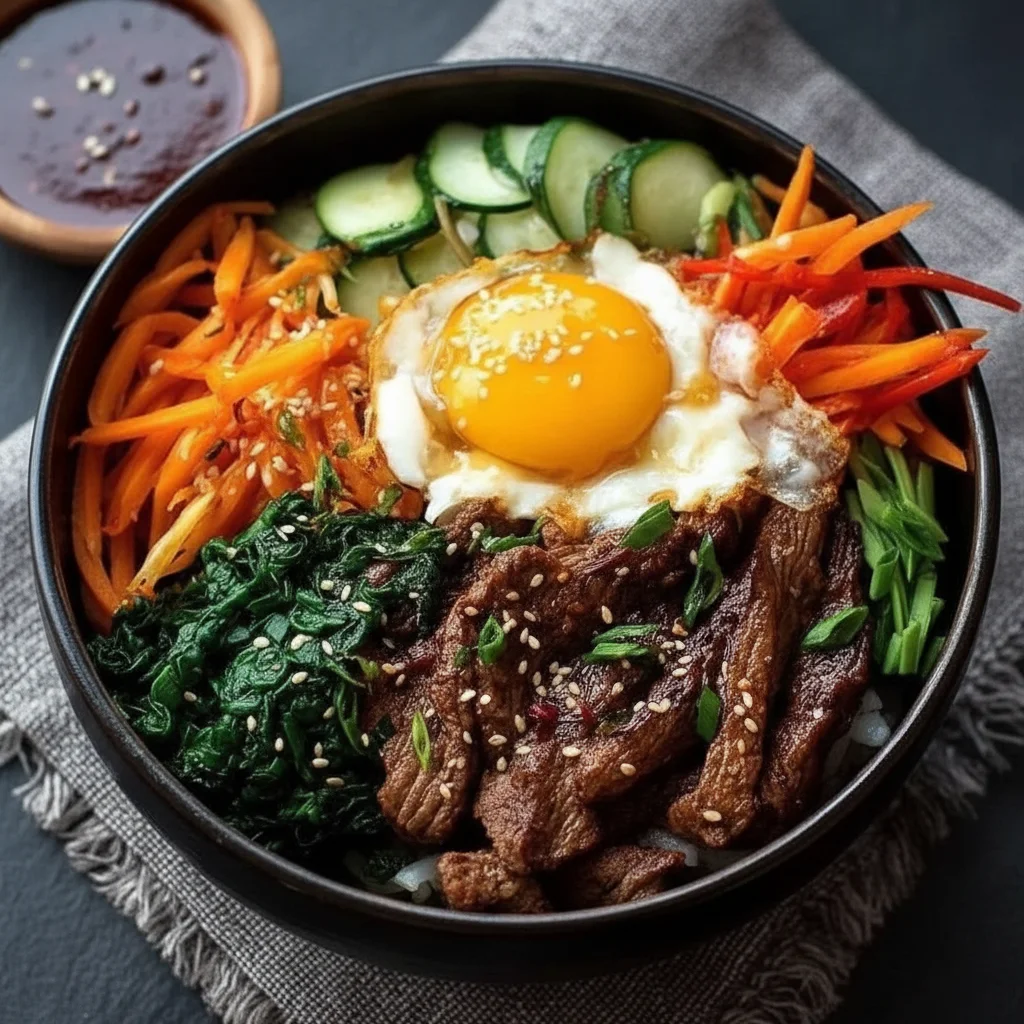
There’s something wonderfully satisfying about building your own bowl of food, arranging each component just so before diving in. This Korean Beef Bibimbap Bowl Recipe is the absolute pinnacle of that experience. It’s a dish I turn to when I want something that feels both nourishing and a little bit special, without spending hours in the kitchen. The combination of tender, savoury-sweet beef, crisp vegetables, a perfectly fried egg, and that essential dollop of spicy gochujang sauce over warm rice is simply sublime. Friends always ask me for this recipe after trying it at our dinner parties.
Bibimbap, which literally translates to “mixed rice,” is a cornerstone of Korean cuisine. While a traditional *dolsot bibimbap* is served in a sizzling hot stone bowl to create a coveted crispy rice crust, we’re making a home-friendly version that delivers all the flavour and texture you crave. The beauty of this beef bowl is its balance; every element has a purpose. The seasoned spinach, the crunchy carrots and bean sprouts, the earthy mushrooms—they all come together to create a harmony of tastes and textures in every single mouthful.
This Korean recipe is ideal for a weekend dinner when you have a little more time to enjoy the process, or even a weeknight meal if you prep the vegetables ahead of time. It’s a fantastic way to introduce new flavours to the family and a dish that everyone seems to love assembling themselves at the table. Let’s get cooking.
Recipe Overview
This Korean Beef Bibimbap Bowl is a complete meal, featuring marinated beef strips, a colourful array of lightly cooked vegetables, and a spicy-sweet sauce, all served over a bed of rice and topped with a fried egg. The flavour profile is a delightful mix of savoury umami from the soy sauce, a subtle sweetness from the pear and sugar, a nutty hint from sesame oil, and a warming kick from the gochujang. I’ve found that marinating the beef for at least 30 minutes is the key to getting that deeply savoury, tender result.
- Prep Time: 25 minutes
- Cook Time: 20 minutes
- Total Time: 45 minutes
- Servings: 4 people
- Difficulty: Medium
Why You’ll Love This Korean Beef Bibimbap Bowl Recipe
- Genuine Flavour: We use authentic ingredients like gochujang (Korean chilli paste) and gochugaru (Korean chilli flakes) to build a sauce that’s rich, complex, and has a gentle, warming heat rather than just being spicy. The beef marinade, with grated pear and garlic, creates an incredibly tender and flavourful result.
- Ready in Under an Hour: From start to finish, this impressive-looking meal comes together in about 45 minutes, making it achievable even on a busier day.
- Flexible Recipe: This is a great “clean out the fridge” dish. Don’t have courgettes? Use bell peppers. Not a fan of mushrooms? Swap them for thinly sliced cucumber. You can easily adapt the vegetables to what you have on hand.
- Great for a Casual Dinner Party: It works beautifully when you want to serve something interactive. We love to lay out all the components in separate bowls and let everyone build their own bibimbap bowl. It’s a fun and engaging way to eat.
- Family Tested: This recipe always gets compliments in our house. My husband, who’s usually picky about mixed dishes, asked for seconds the first time I made it!
Ingredients You’ll Need
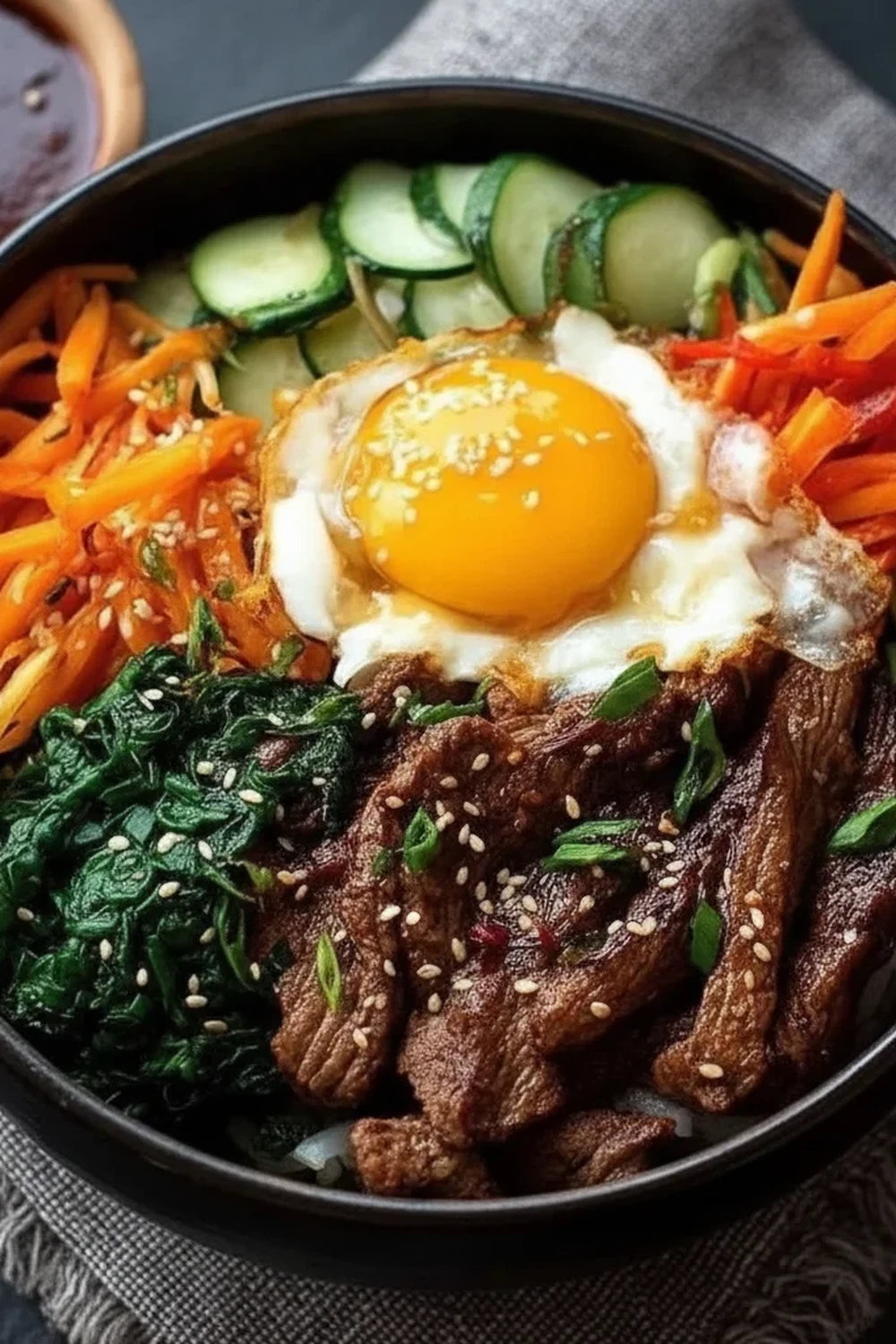
For the best results, try to find a good quality gochujang. I personally like to use the O’Food or Sempio brand, which you can find in most large supermarkets or Asian grocery stores; they have a fantastic depth of flavour. The rest of the ingredients are fairly straightforward.
- For the Beef & Marinade:
- 500g beef sirloin or ribeye, very thinly sliced
- 4 tbsp soy sauce (I use Kikkoman)
- 2 tbsp sesame oil
- 2 cloves garlic, minced
- 1 tbsp brown sugar
- 1/2 small pear (like a Nashi), grated
- 1/2 tsp black pepper
- For the Vegetables:
- 200g spinach
- 200g bean sprouts
- 2 medium carrots, julienned
- 1 medium courgette, julienned
- 150g shiitake mushrooms, sliced
- 1 tbsp vegetable oil, divided
- 2 cloves garlic, minced (for spinach & bean sprouts)
- 2 tsp sesame oil (for spinach & bean sprouts)
- Salt, to taste
- For the Bibimbap Sauce:
- 3 tbsp gochujang (Korean chilli paste)
- 1 tbsp sesame oil
- 1 tbsp sugar or honey
- 1 tbsp water
- 1 tbsp rice vinegar
- 1 tsp minced garlic
- For Assembly:
- 700g cooked short-grain or sushi rice, kept warm
- 4 large free-range eggs
- 1 tsp toasted sesame seeds
- 1 tbsp gochugaru (Korean chilli flakes), optional
Adam’s Tip: Don’t skip the grated pear in the beef marinade! It contains enzymes that act as a natural tenderiser, which makes a huge difference to the texture of the beef, especially with leaner cuts like sirloin.
How to Make This Korean Beef Bibimbap Bowl Recipe
The process involves a few separate cooking steps, but it’s very methodical. We’ll marinate the beef first to let the flavours sink in, then prepare the vegetables and sauce while the rice cooks. It all comes together at the end.
- Marinate the Beef: In a medium bowl, combine the thinly sliced beef with the soy sauce, 2 tbsp sesame oil, minced garlic, brown sugar, grated pear, and black pepper. Mix well to ensure every piece of beef is coated. Set aside to marinate for at least 20-30 minutes at room temperature.
- Prepare the Vegetables: While the beef marinates, cook the vegetables. Blanch the spinach in boiling water for 30 seconds, then drain and rinse with cold water. Squeeze out all excess water. Toss with 1 minced garlic clove, 1 tsp sesame oil, and a pinch of salt. Do the same with the bean sprouts.
- Sauté the Other Veggies: Heat a little vegetable oil in a frying pan or wok over medium-high heat. Sauté the carrots for 2-3 minutes until slightly softened but still with a bite. Remove and set aside. Repeat with the courgette (cooking for 2-3 minutes) and the shiitake mushrooms (cooking for 4-5 minutes until golden). Season each vegetable lightly with salt as it cooks. I find that cooking them separately really helps maintain their individual flavours and textures.
- Make the Sauce: In a small bowl, whisk together the gochujang, 1 tbsp sesame oil, sugar (or honey), water, rice vinegar, and 1 tsp minced garlic. Set aside.
- Cook the Beef: Heat a large frying pan or wok over a high heat. Add the marinated beef in a single layer (you may need to do this in two batches to avoid overcrowding). Cook for 2-3 minutes per side, until caramelised and cooked through. Remove from the pan.
- Fry the Eggs: In the same pan, reduce the heat to medium and fry the four eggs sunny-side up, so the whites are set but the yolks are still lovely and runny. For a perfectly cooked egg, you can follow this guide to frying eggs.
- Assemble the Bowls: Divide the warm rice among four bowls. Artfully arrange a portion of the cooked beef and each of the prepared vegetables on top of the rice. Place a fried egg in the centre of each bowl. Drizzle with the bibimbap sauce, sprinkle with toasted sesame seeds and gochugaru (if using), and serve immediately.
Tips From My Kitchen
- Get the Pan Really Hot: For the beef, make sure your pan is smoking slightly before you add the meat. This high heat gives the beef a fantastic sear and prevents it from stewing in its own juices, keeping it tender.
- The Secret to Crispy Rice: If you want that crispy bottom layer (*nurungji*), press the cooked rice firmly into a well-oiled, non-stick frying pan over medium heat. Let it cook without stirring for 6-8 minutes, until a golden-brown crust forms on the bottom. Then, scoop it out and use it as the base for your bowl.
- Make-Ahead Magic: You can prepare all the vegetable components and the bibimbap sauce up to 2 days in advance. Store them in separate airtight containers in the fridge. This turns the final assembly into a process that’s ready in under 15 minutes.
- Storage: Leftovers are best stored with each component in a separate container in the fridge for up to 3 days. Reheat the beef and rice, and assemble with the cold vegetables and a freshly fried egg for the best result.
Common Mistakes to Avoid
- Overcrowding the Pan: When cooking the beef, adding too much to the pan at once will drop the temperature, causing the meat to steam instead of sear. It will end up grey and tough. Cook it in two batches to ensure each piece gets that beautiful caramelisation.
- Soggy Vegetables: Don’t overcook the vegetables. You want them to be ‘blanched-crisp’ or lightly sautéed, retaining some of their natural crunch. This textural contrast is a key part of what makes bibimbap so good. Sauté them over medium-high heat quickly.
- Not Seasoning Each Component: It might seem fussy, but lightly seasoning each vegetable component with a little salt or a dash of sesame oil makes a world of difference to the final dish. This layering of flavour is what makes the dish taste so complete.
Delicious Variations to Try
Once you’ve mastered the basic Korean Beef Bibimbap Bowl Recipe, it’s fun to experiment. It’s a very forgiving and adaptable dish, much like our Crunchy Asian Chicken Salad with Peanut Dressing.
- Spicy Version: If you love heat, increase the amount of gochujang in the sauce or add a teaspoon of gochugaru to the beef marinade for an extra layer of spice.
- Vegetarian/Vegan Option: Replace the beef with firm tofu or a medley of mushrooms (like oyster and king oyster). For tofu, press it well, cut it into cubes, and pan-fry until golden before tossing with the marinade. For a vegan bowl, simply omit the egg.
- Different Protein: This recipe works wonderfully with other proteins. Try it with thinly sliced pork shoulder or boneless, skinless chicken thighs for an equally delicious Korean bowl.
What to Serve With Your Korean Beef Bowl
This bibimbap is a full meal in one bowl, but if you want to make it part of a larger Korean-inspired spread, here are a few ideas.
- Kimchi: A small side dish of spicy, fermented kimchi is almost non-negotiable! Its tangy, pungent flavour cuts through the richness of the beef and egg perfectly.
- Miso Soup: A simple, light miso soup served alongside is a comforting and traditional pairing that cleanses the palate.
- Korean Barley Tea (Boricha): For a non-alcoholic option, this nutty, roasted tea (served hot or cold) is a classic accompaniment. Otherwise, a crisp, light lager beer works beautifully.
Frequently Asked Questions
Korean Beef Bibimbap Bowl Recipe
Ingredients
Method
- Marinate the Beef: In a medium bowl, combine the thinly sliced beef with the soy sauce, 2 tbsp sesame oil, minced garlic, brown sugar, grated pear, and black pepper. Mix well to ensure every piece of beef is coated. Set aside to marinate for at least 20-30 minutes at room temperature.
- Prepare the Vegetables: While the beef marinates, cook the vegetables. Blanch the spinach in boiling water for 30 seconds, then drain and rinse with cold water. Squeeze out all excess water. Toss with 1 minced garlic clove, 1 tsp sesame oil, and a pinch of salt. Do the same with the bean sprouts.
- Sauté the Other Veggies: Heat a little vegetable oil in a frying pan or wok over medium-high heat. Sauté the carrots for 2-3 minutes until slightly softened but still with a bite. Remove and set aside. Repeat with the courgette (cooking for 2-3 minutes) and the shiitake mushrooms (cooking for 4-5 minutes until golden). Season each vegetable lightly with salt as it cooks. I find that cooking them separately really helps maintain their individual flavours and textures.
- Make the Sauce: In a small bowl, whisk together the gochujang, 1 tbsp sesame oil, sugar (or honey), water, rice vinegar, and 1 tsp minced garlic. Set aside.
- Cook the Beef: Heat a large frying pan or wok over a high heat. Add the marinated beef in a single layer (you may need to do this in two batches to avoid overcrowding). Cook for 2-3 minutes per side, until caramelised and cooked through. Remove from the pan.
- Fry the Eggs: In the same pan, reduce the heat to medium and fry the four eggs sunny-side up, so the whites are set but the yolks are still lovely and runny. For a perfectly cooked egg, you can follow this guide to frying eggs.
- Assemble the Bowls: Divide the warm rice among four bowls. Artfully arrange a portion of the cooked beef and each of the prepared vegetables on top of the rice. Place a fried egg in the centre of each bowl. Drizzle with the bibimbap sauce, sprinkle with toasted sesame seeds and gochugaru (if using), and serve immediately.
Notes
I really hope you enjoy making this Korean Beef Bibimbap Bowl Recipe. It’s a staple in our home for a reason, and it’s one of those dishes that is just as fun to make as it is to eat. The moment you break that runny egg yolk and mix everything together is pure magic. Let me know how yours turns out in the comments below – I’d love to hear about it!
Happy cooking,
Adam